
Loading...
Serving Laredo, TX and surrounding areas. (956) 290-8422
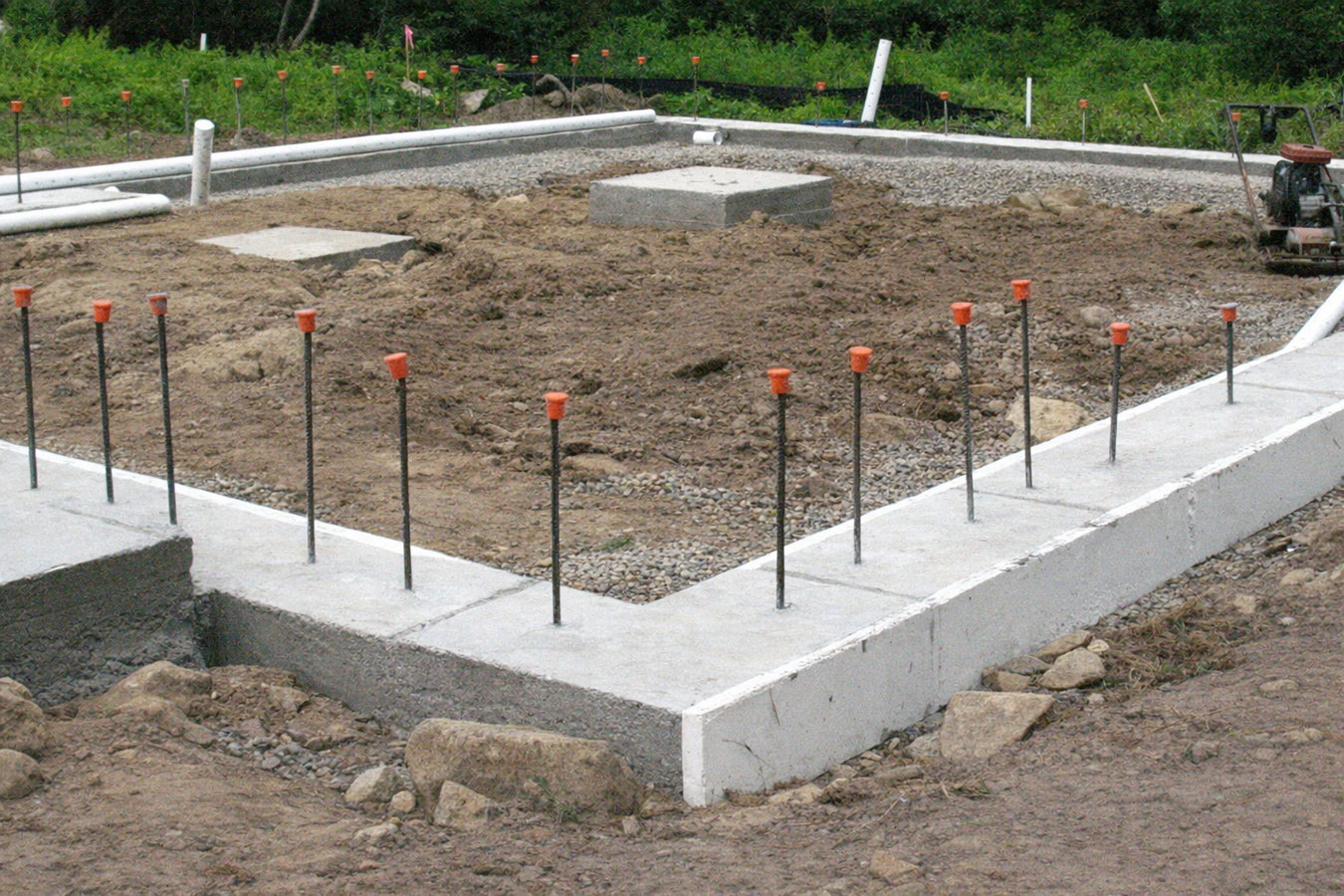
Laredo's clay soil shifts with every drought and every rainstorm. A footing that does not reach stable ground will let that movement work its way up into whatever you build above it. We pour concrete footings in Laredo dug to undisturbed soil, reinforced for local conditions, and permitted through the city.
Concrete footings in Laredo are poured underground to transfer the weight of a structure down to stable, undisturbed soil below the active clay layer - most residential footing projects take one to three days from excavation through the end of the pour, plus at least a week of curing before any significant load is placed on them.
A footing is the hidden part of the job that determines whether everything above it stays level and stable for decades. Most homeowners in Laredo never think about footings until a fence post starts leaning, a porch column sinks on one side, or cracks appear at the corners of door frames - all signs that what is underground is no longer doing its job. If you are planning a new structure and want to understand how the footing work connects to a broader foundation scope, our foundation installation page covers how those elements fit together.
The Texas A&M AgriLife Extension soil testing program provides guidance on how expansive clay soils in South Texas affect structural performance - the same soil conditions we account for on every footing project in the Laredo area.
If you are planning a room addition, a detached garage, a covered patio, or any structure that will carry a roof load, you almost certainly need concrete footings before framing begins. In Laredo, where clay soil shifts with the seasons, building without them is one of the most common causes of early structural problems that are expensive to fix after the fact.
If a fence post, porch column, or deck support that was once straight is now visibly tilting, or if one side of a porch has started to drop, the footing underneath has likely failed or was never adequate. Laredo's clay soil swells and shrinks around the base of posts until it works them loose. This is a fixable problem, but the longer it goes unaddressed the more damage works its way up into the structure above.
Diagonal cracks running from the corners of door frames or window openings are a clear signal that the foundation or footings beneath that section of the house are moving unevenly. In Laredo, this pattern often appears after an unusually dry summer or a period of heavy rain, both of which cause the clay soil to shift. A concrete contractor can evaluate whether the problem is at the footing level or deeper.
When footings shift, the frame of the house shifts with them, and that shows up first in doors and windows that used to work fine but now drag, stick, or will not close properly. If this is happening in multiple locations at once, or if it started after a dry spell, it is worth having the footings evaluated before the structural movement progresses further.
We pour concrete footings for residential additions, garages, covered patios, pergolas, fences, and any other structure that requires an anchored base connected to stable ground. Every project begins with an in-person site visit where we assess the soil, measure the area, and determine how deep the excavation needs to go to reach undisturbed material below the active clay layer. We do not quote footing jobs without seeing the site first, because the soil conditions in Laredo vary significantly from one neighborhood to another and even from one part of a yard to another.
We handle all required permits through the City of Laredo and coordinate the pre-pour inspection that most structural jobs require before the concrete is placed. After the inspector signs off on the excavation depth and reinforcement, we pour and finish the footings and protect them during the curing period using covers or wetting schedules appropriate for the season. In Laredo's summer heat, protecting freshly poured concrete from drying too fast at the surface is not optional - it is what keeps the finished footing as strong as it should be.
For projects that involve more than just the footings - a full new slab on top of the footings, for example, or a complete foundation for a new structure - our foundation installation service covers the broader scope. Homeowners who are also dealing with an existing slab that has shifted or settled due to failed footings should ask about our foundation raising work, which addresses slab-level correction on top of the footing repair.
For homeowners adding a room, detached garage, or workshop that needs a new footing before framing can begin.
For covered patios, pergolas, and shade structures that will carry a roof load and need a properly anchored base.
For fences, columns, carports, and any structure where a post or column needs to be set into the ground and held in place against soil movement.
For existing structures where a footing has failed, shifted, or is showing signs of movement that is working its way into the structure above.
Laredo sits on soil with a high clay content, and that clay does something that creates problems for footings not designed to handle it: it swells when it absorbs moisture and shrinks when it dries out. That cycle is continuous - every drought and every rainstorm puts stress on whatever is embedded in or resting on the upper layers of soil. A footing that reaches only into the active clay layer rather than through it into stable ground below will move with the soil instead of resisting it. The leaning fence posts and shifted porch columns that show up in neighborhoods across Laredo are not random - they are the result of footings that did not go deep enough or were not sized for local soil behavior.
Laredo's heat adds a second factor that affects footing quality. When fresh concrete loses surface moisture too quickly in 100-plus-degree heat, it develops micro-cracks in the outer layer before the interior has reached full strength. From the outside the footing looks solid, but it is weaker than it should be. Every footing we pour in warm weather is scheduled for early morning, and we use covers or wetting schedules during the curing period to keep the surface from drying out ahead of the material below. Homeowners in Laredo, Del Rio, and Eagle Pass all deal with the same combination of clay soil and extreme heat, and the same careful approach applies across the region.
Laredo has also been one of the faster-growing cities in Texas, with new residential construction spreading across North Laredo and surrounding communities. That growth means a large number of additions, garages, and accessory structures are being built each year - and a significant share of those projects require new footings. Scheduling early matters: during peak building season in spring and fall, experienced crews can book out several weeks in advance.
When you reach out, we will respond within one business day. We will ask a few basic questions about what you are building, where it sits on your property, and whether a permit has been discussed. This helps us prepare for the site visit and flag anything that needs to be addressed early.
We visit the property to assess the soil, measure the area, and determine how deep the excavation needs to go to reach stable ground. In Laredo, this step cannot be skipped - the clay soil varies significantly across the city, and a contractor who quotes without seeing the site is working from assumptions that may not match your conditions.
Once you approve the written estimate, we submit the permit application to the City of Laredo on your behalf. Most structural footing projects require a city inspector to check the excavation depth and reinforcement before the concrete is poured. Permit approval typically takes a few days to a couple of weeks, so we factor that into the project schedule.
The crew digs the holes or trenches to the confirmed depth, sets forms and reinforcing steel, and schedules the pour for early morning. After the concrete is placed and finished, we protect the surface during the curing period. The city inspector signs off before the footing is backfilled, and framing can begin after at least a week of curing.
We visit your site, check the soil, and give you a written quote that accounts for your specific conditions. No phone guesses, no surprise charges once the crew arrives.
(956) 290-8422In Laredo, the upper layers of soil in many neighborhoods are loose, disturbed, or heavy with clay that moves seasonally. We excavate until we reach undisturbed, stable material - regardless of what a standard depth chart might say. That is the only way to build a footing that does not move with the soil above it.
We submit every required permit application to the City of Laredo and coordinate all required inspections, including the pre-pour inspection where a city inspector checks the excavation and forms before the concrete goes in. You never have to deal with the permit process yourself, and the completed work is documented through the city's records.
We work across Laredo and 11 surrounding service areas, including Eagle Pass, Del Rio, and communities in the Rio Grande Valley. That range of experience means we have worked in many different soil and site conditions across South Texas and carry that knowledge onto every footing project in the region.
The American Concrete Institute's guidance on hot-weather concreting is clear: high temperatures during and after the pour weaken concrete if the surface is allowed to dry out too fast. We follow proven heat-management protocols on every summer job in Laredo, scheduling early-morning pours and protecting the surface during the curing window so the finished footing reaches full strength.
Every footing we pour in Laredo is treated as the part of the job that everything else depends on. The work underground does not get a second chance once the concrete cures and the structure is framed above it, so we take the preparation, depth, reinforcement, and curing seriously on every project, regardless of size.
Foundation raising to correct settled or uneven slabs caused by shifting clay soil under Laredo properties.
Learn moreFull foundation installation for new builds and additions, from site prep and forming through city inspections.
Learn moreSpring and fall booking windows fill up quickly. Call or send your project details now so we can get your estimate on the calendar before the best build slots are taken.