
Concrete Leveling
If your concrete is sunken, tilted, or uneven, we can raise it back into position without tearing it out and starting over.
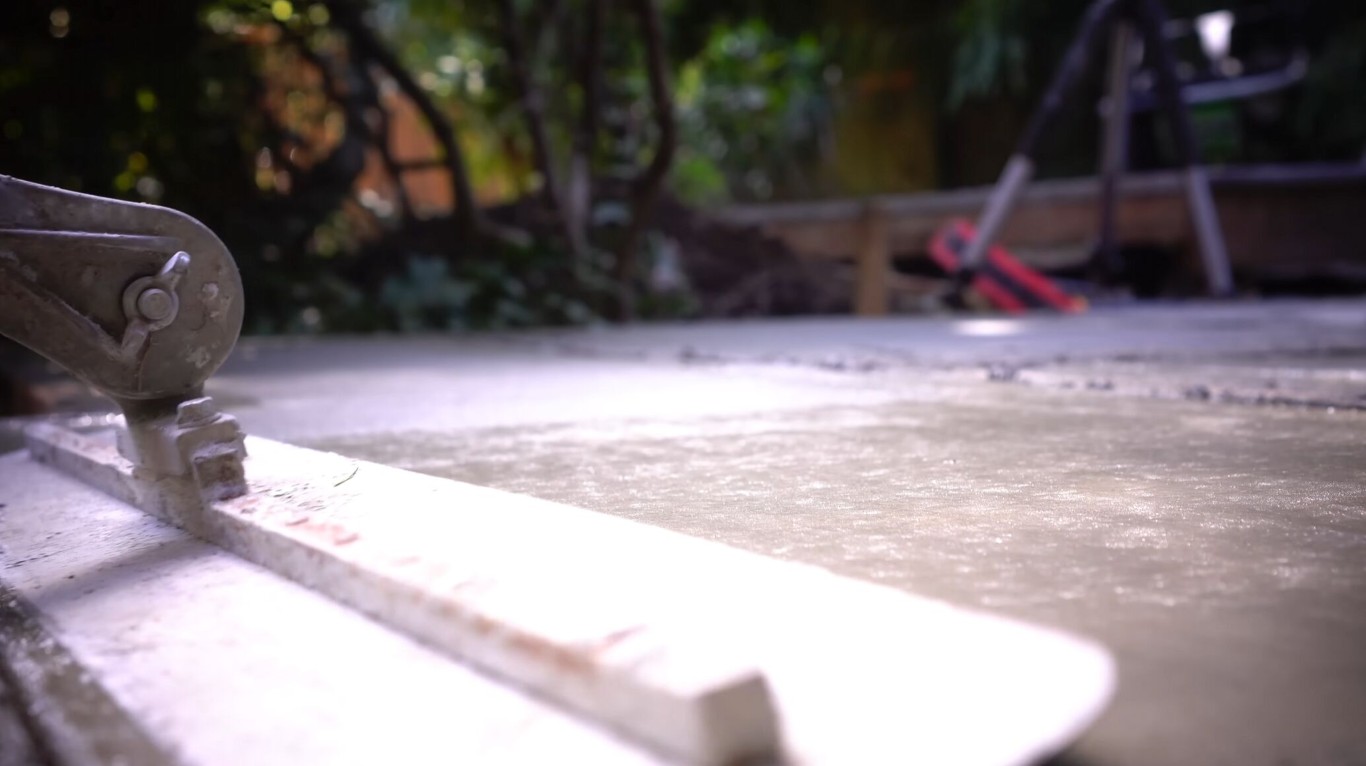
Sunken Concrete Does Not Always Have to Be Replaced
When a section of your driveway, patio, sidewalk, or pool deck sinks below the surrounding concrete, it creates a trip hazard and looks bad. Most people assume the only fix is to rip it out and pour new concrete. That is not always true.
Concrete leveling is a process that lifts a sunken slab back to its original position by filling the void underneath it. It costs less than full replacement, finishes in hours instead of days, and does not require any curing time before you can use the surface again.
Premier Laredo Concrete Contractor offers concrete leveling for homes and commercial properties throughout Laredo, TX. We will assess your sunken slab, explain whether leveling or replacement is the smarter call, and give you an honest quote. If the slab is too far gone, we also handle full concrete repair and replacement when that is the better option.
Why Does Concrete Sink in the First Place?
Concrete does not sink on its own. Something underneath it gives way. Here are the most common reasons slabs settle and drop over time.
- Soil erosion: Water running under or alongside a slab washes away the fine soil particles that support it. Over time, a void forms and the slab drops into it.
- Poor compaction during installation: If the ground was not compacted properly before the original pour, the soil gradually settles under the weight of the slab, causing it to sink unevenly.
- Tree roots: Roots grow under slabs and push them up at first, but when the root dies and decays, it leaves a hollow space. The concrete then drops into that gap.
- Plumbing leaks: A slow leak from underground pipes can erode large pockets of soil over months or years. The slab above eventually loses its support and settles into the void.
- Drought and soil shrinkage: In the South Texas climate, extended dry periods cause clay-heavy soil to shrink. When the ground contracts, it pulls away from the concrete above and leaves gaps.
- Heavy loads: Large vehicles, heavy equipment, or structures placed on a slab that was not designed for that load can compress the subbase and cause gradual or sudden settling.
When Leveling Makes Sense and When It Does Not
Concrete leveling works well in many situations, but it is not the right answer for every sunken slab. Here is how we help you decide.
Good candidate for leveling
Slabs that are structurally sound but have dropped 1 to 3 inches. The concrete itself has no major cracking, and the cause of the void can be corrected before or during the leveling process.
Not a good candidate
Slabs that are cracked through in multiple places, crumbling at the edges, or have dropped so far that there is no stable foothold to fill. These need to be removed and replaced.
Driveways
A sunken driveway panel is one of the most common leveling jobs. If the adjacent panels are still in good shape, leveling the dropped section costs far less than full replacement.
Sidewalks and walkways
Raised or sunken sidewalk slabs are trip hazards. Leveling brings them back into alignment quickly and at a fraction of the replacement cost.
Patios and pool decks
Settled patio sections and pool deck panels can often be lifted rather than replaced, especially when the surrounding concrete and coping are still in good condition.
Garage floors
Interior slabs that have dropped near doorways or transitions are good leveling candidates as long as the slab itself is still thick and intact.
Not sure which direction to go? Start by requesting a free estimate on the Premier Laredo Concrete Contractor home page. We will come out, take a look, and give you a straight answer. If your sunken slab is near a sidewalk or driveway approach, we can also bundle it with our sidewalk and flatwork services to address everything at once.