
Concrete Slab & Foundation Work
Everything built on top of a slab depends on what is underneath it, and we make sure that foundation is solid before anything goes up.
The Foundation Is Not the Place to Cut Corners
Whether you are adding a room, building a shop, putting up a storage unit, or laying the base for a new home, the concrete slab underneath it all has to be right. A weak foundation leads to cracked walls, uneven floors, sticking doors, and serious structural problems down the road.
We pour concrete slabs and foundation work for residential and commercial projects throughout Laredo, TX and surrounding communities. Our process follows engineering best practices for the South Texas region, including proper soil preparation for the clay-heavy soils common in Webb County, which expand and contract with moisture changes and can stress a slab that was not built to handle that movement.
From small detached garage slabs to full residential foundations, we bring the same level of attention and preparation to every job. You can also pair this service with our concrete driveway installation if your project includes an attached garage, or ask about our commercial concrete services for larger-scale foundation and slab work.
Types of Slab and Foundation Projects We Handle
Not all slabs are built the same way. Here is a breakdown of the different types of foundation and slab projects we work on, and what makes each one a little different.
- Monolithic slab foundations: The most common foundation type for homes in South Texas. The slab and footings are poured in one continuous pour, which saves time and creates a strong unified base. Ideal for flat lots with good drainage.
- Detached garage and shop slabs: Standalone slabs for garages, workshops, storage buildings, and other outbuildings. These typically range from 4 to 6 inches thick depending on what will be parked or stored inside.
- Room addition foundations: When you add square footage to an existing home, the new foundation must match the existing structure in elevation and be tied in correctly to prevent settlement differences between the old and new sections.
- Equipment pads and utility slabs: Concrete pads for AC units, generators, pool equipment, or industrial machinery. These are smaller pours but still need proper thickness and reinforcement to handle mechanical vibration and weight.
- Post-tension slabs: A reinforcement method using steel cables tensioned after the concrete cures. Common in newer residential construction in Texas because it handles expansive soils better than traditional rebar alone.
- Slab repair and releveling: If an existing slab has cracked, sunken, or shifted, we can assess whether it needs full replacement or targeted repair. See our concrete repair service for more details.
How We Approach Every Foundation Pour
A solid foundation starts well before the concrete truck arrives. Here is how we prepare every job site.
Site Evaluation
We assess the soil conditions, drainage, and grade of your lot. In Laredo, we pay close attention to clay content and moisture levels, which directly affect how the slab is designed.
Prep and Forming
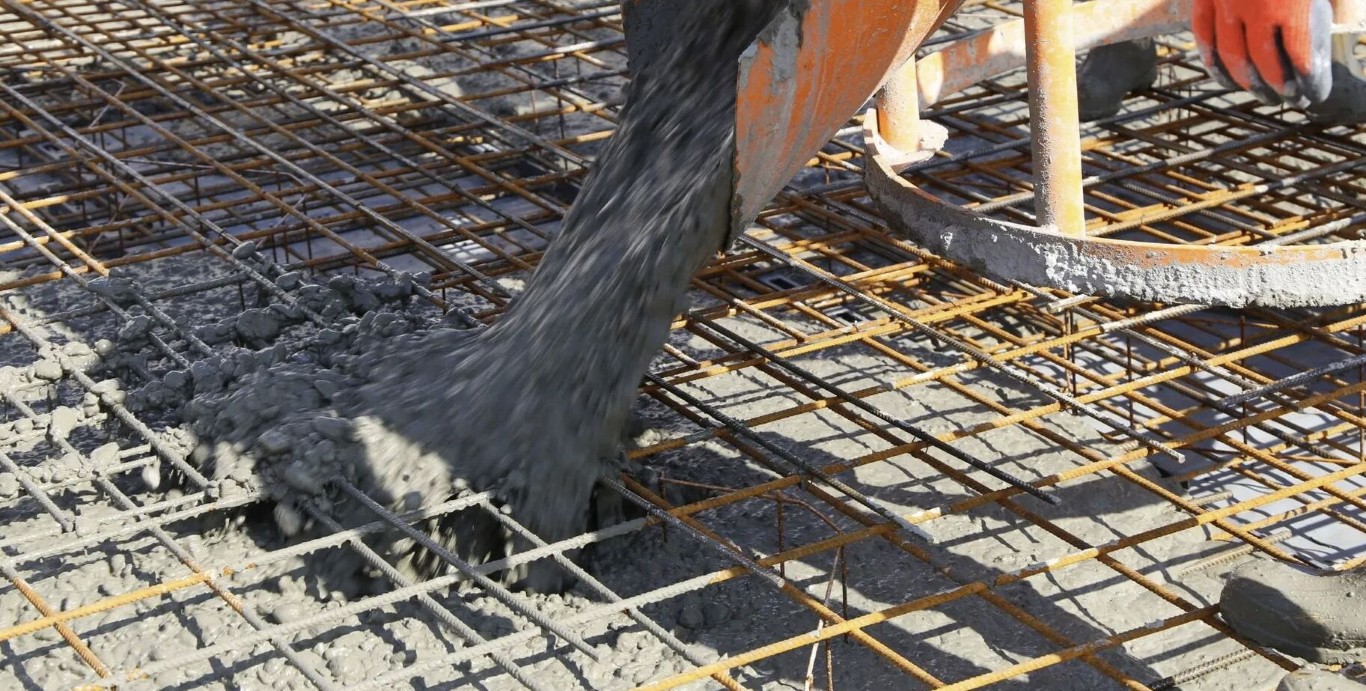
We excavate to the correct depth, add and compact a granular fill layer, set forms to the right grade, and install rebar or post-tension cables per the design specifications.
Pour, Finish, Cure
We pour the concrete, strike it off level, finish the surface, and apply a curing compound to protect it while it reaches full strength over the next 28 days.
We work from written plans and provide a full written estimate before work begins. For residential foundation projects, we are happy to coordinate directly with your builder or general contractor. To learn more or get a quote, visit our home page and fill out the contact form, or call us directly.