Stamped & Decorative Concrete
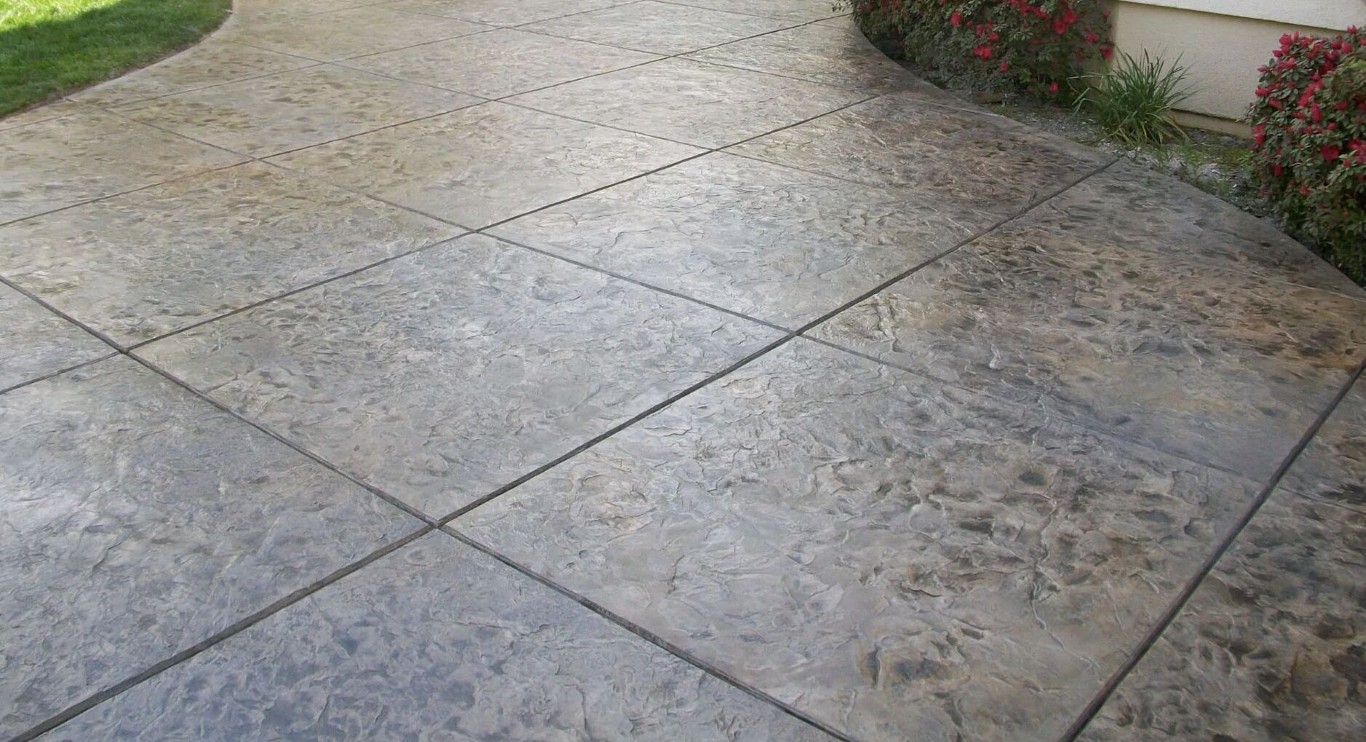
Get the rich look of stone, brick, or tile for a fraction of the cost with stamped and decorative concrete that lasts for decades.
Beautiful Concrete That Looks Like Something More Expensive
Natural stone patios, brick courtyards, and slate walkways look incredible, but they come with a steep price tag and significant upkeep. Stamped concrete gives you that same high-end appearance at a much more manageable cost, and without the ongoing maintenance headaches.
We offer a wide range of stamped and decorative concrete finishes for patios, driveways, pool decks, walkways, and entryways in Laredo, TX. Patterns can mimic flagstone, cobblestone, slate, ashlar, running bond brick, wood plank, and more. Color options range from natural earth tones that blend into the landscape to bold, contrasting hues that make a statement.
If you are upgrading your outdoor space and want the whole picture, we also do standard concrete patios and concrete driveways in plain finishes at a lower price point. We will help you figure out which option makes the most sense for your budget and your goals.
Decorative Concrete Techniques We Use
There are several ways to add color and texture to concrete. Here is a quick breakdown of the main techniques and when each one works best.
- Stamping: Heavy polyurethane stamps are pressed into the wet concrete surface to imprint patterns. This is the most popular decorative technique because it gives realistic texture and can be combined with color for a natural stone look.
- Integral color: Color is mixed directly into the concrete before it is poured. The color runs all the way through the slab, so chips and scratches do not reveal a gray interior beneath. Best for subtle, uniform color tones.
- Color hardener: A powdered pigment is broadcast onto the surface of freshly poured concrete and troweled in. Produces vibrant, durable color on the surface layer and increases surface hardness at the same time.
- Acid staining: A chemical reaction between the acid stain and the minerals in the concrete creates unique, mottled color variations. No two acid-stained surfaces look exactly alike, which gives the finish an organic, one-of-a-kind appearance.
- Water-based staining: More predictable color results than acid staining, with a wider range of hues including blues, greens, and reds that are difficult to achieve with acid. Works well on older slabs being resurfaced.
- Engraving and scoring: Designs, borders, logos, or geometric patterns can be cut into existing or newly poured concrete. This adds visual interest to an otherwise plain surface without a full tear-out.
How to Keep Your Stamped Concrete Looking Great
Stamped and decorative concrete does need a little more attention than a plain broom-finish slab, but it is not complicated. Here is what we recommend to keep your investment looking its best.
Seal every 2 to 3 years
A quality concrete sealer protects the color and the surface from UV fading, staining, and moisture infiltration. We recommend a solvent-based sealer for most stamped applications.
Clean spills quickly
Oil, grease, and harsh chemicals can stain or discolor decorative concrete. Wipe spills up promptly and rinse with water to avoid permanent marks.
Avoid harsh de-icing salts
In winter weather, avoid rock salt or chemical de-icers on decorative concrete. They can damage the sealer and cause surface scaling. Use sand for traction instead.
Pressure wash gently
A light pressure wash once or twice a year removes dirt and organic buildup. Use a wide fan tip and keep the pressure under 3,000 psi to avoid damaging the sealer.
We apply a high-quality sealer to all decorative concrete work we complete, so your surface is protected from day one. When you are ready to talk through your project, reach out through our home page or call us directly. We serve all of Laredo and surrounding South Texas communities.